

I have been teaching mediation and negotiation for as long as I have been practising them — and I find the two activities feed each other in ways I did not expect when I started. What I bring into the room as a trainer is not a curriculum: it is the accumulated texture of live cases, difficult moments, and the particular challenges that no textbook quite captures. I design and deliver programmes for professionals, organisations, and institutions worldwide — at all levels of experience, from foundational training to advanced retreats for practising mediators.
Over the years, those programmes have taken shape within institutions I am proud to be part of — the University of Trento School of Law, where I am Adjunct Professor, the Chartered Institute of Arbitrators, where I serve as Senior Faculty Member and Chief Assessor, and CEDR, where I am an Accredited Trainer — alongside visiting lectureships and programme delivery at universities, mediation centres, and professional bodies across Europe, the Americas, the Middle East, and beyond
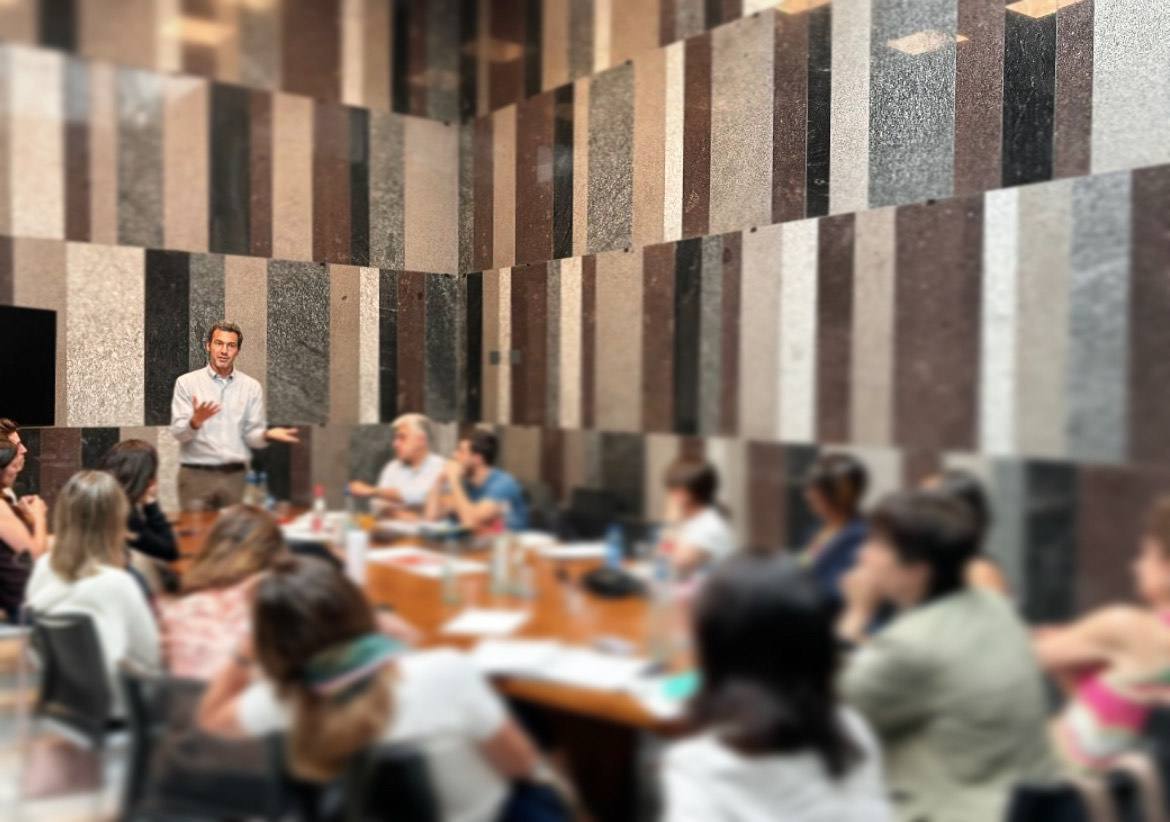
Tailored Professional Programmes
Every programme is built around the specific needs and context of the group — whether that is a team of experienced mediators working on advanced technique, a corporate group strengthening internal conflict management capacity, or a law firm developing negotiation and advocacy skills. Topics include:
Mediation Techniques: Complex power dynamics, multi-party group dynamics, cultural and psychological factors, ethical dilemmas, impasse resolution, trust-building, online mediation, and the role of technology in mediation.
Negotiation Techniques: Interest-based negotiation, integrative bargaining, managing counter-tactics in high-stakes negotiations, cross-cultural negotiation, handling impasse, and sector-specific adaptations.
Mediation Advocacy: Preparing and presenting statements, managing advocacy during joint sessions, strategic client representation, handling difficult parties, and navigating ethical challenges.
Conflict Management: High-stakes conflict skills, workplace dispute management, conflict analysis, conflict transformation, and relationship restructuring for specific work environments.
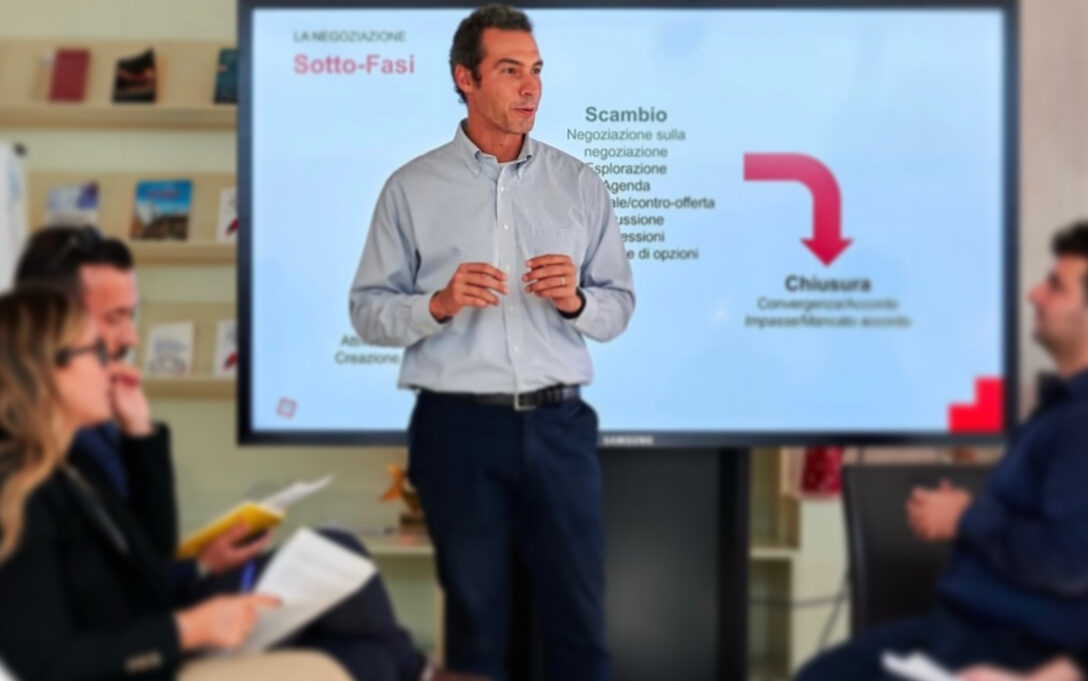
Mediator Supervision
Supervision is not training revisited — it is something different in kind. It works best once a mediator has moved beyond foundational competence and begun to encounter the harder questions: the cases that did not go as expected, the moments of doubt about intervention or restraint, the patterns that keep surfacing, the instincts that are difficult to name. That accumulated experience is exactly the material supervision is designed to work with.
Beyond case-specific supervision, I lead broader reflective practice initiatives designed to support practitioners throughout their careers. This includes dedicated mentoring for experienced mediators who are navigating complex professional growth, refining their unique styles, or transitioning into leadership roles within the field.
The focus across all of this work is entirely on the individual mediator — their practice, their challenges, their development. We start from where they actually are: the approach they have developed, the role they have come to understand themselves as performing, the difficulties that have tested them in real cases. From there, the work moves toward refinement, resilience, and a level of reflective awareness that is hard to reach through practice alone. The goal is not to produce a different mediator, but a more fully realised one.
All supervision and mentoring takes place in strict confidence. It is available to individual mediators and to groups — whether a team working within the same organisation or a small cohort of independent practitioners who choose to work together. Format, frequency, and duration are agreed case by case — there is no fixed model, because there should not be. Some mediators benefit from structured periodic sessions over a sustained period; others bring specific challenges as they arise. What matters is that the space is genuinely useful, and that it remains so.
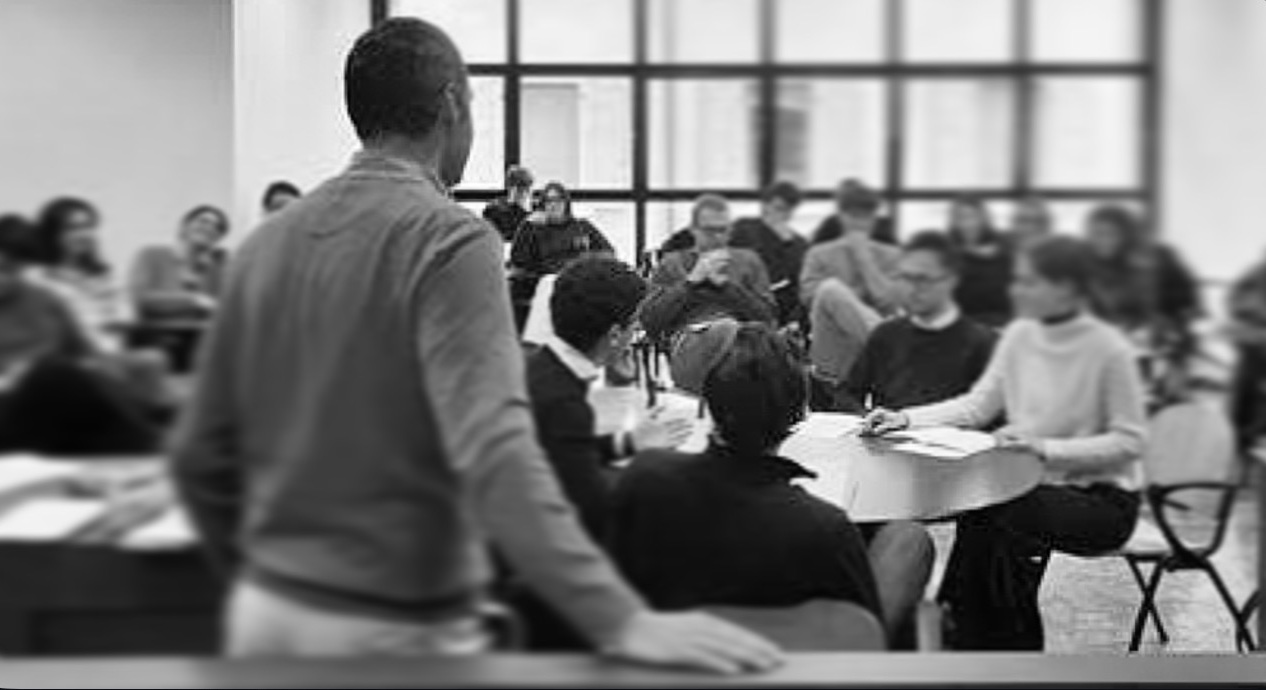
International Advanced Mediation Retreats
The retreat is a space that does not exist in the usual run of professional life: two days, residential, with a small group of practising mediators, entirely away from the usual pressures. The work is intensive and the feedback is direct. We deal with what is actually difficult — not the cases that go well, but the ones that test everything you think you know about the process. Co-tutored with a local mediator and organised in partnership with local institutions, each retreat is adapted to its regional context and the particular group it brings together.
Co-tutored with a local mediator, ensuring that regional nuances and cultural considerations are built into the learning experience. Organised in partnership with local mediation institutions, training providers, or professional groups.
Day one covers advanced technique workshops, case study discussions, and group exercises. Day two features personalised coaching sessions, real-time simulations, feedback on specific challenges, and actionable takeaway strategies.

Training for Travel
This is one of the parts of my practice I find most meaningful. Mediation and conflict resolution skills should reach the people and organisations that need them most, regardless of resources — and that conviction has taken me, without charge or with partial support for travel, to non-profits, community groups, and social initiatives that could not otherwise access this kind of training. Eligible organisations include those working in humanitarian aid, social justice, community development, or advocacy, and groups working to build dialogue across divided communities.
Eligible organisations include those working in humanitarian aid, social justice, community development, or advocacy, as well as groups facing particular challenges in fostering dialogue across divided communities.
The full recommendations are available on my LinkedIn profile.
© 2026 Mora Mediation. All rights reserved.